0 item(s)
View cart
You have no items in your shopping cart.
Quick Summary
Not always. Cold-pressed describes an extraction method, not a full ingredient list, so some cold-pressed oils may still be filtered or lightly processed. A truly additive-free cold-pressed oil lists only the seed, nut or fruit it came from, so always check the label.
Last Updated: October 30, 2026
Cold-pressed oils are extracted by mechanical pressure, without the intensive heat and chemical refining used for most supermarket oils. That is the core difference, and it explains why the question "are cold pressed oils additive free?" matters so much to buyers. The honest answer is more nuanced than the label alone suggests.
Cold-pressed describes an extraction method, not a full ingredient list. A systematic review of cold-pressed oils describes these oils as produced without heat or chemical refining, and reports that they retain higher levels of polyunsaturated fatty acids, antioxidants, vitamins and other bioactive compounds than refined oils.
Here is the part many shoppers miss. Cold-pressed oils are usually less refined, but some may still be filtered or lightly processed. The term alone does not confirm that a bottle contains nothing else. Always check the label rather than assuming.
A genuinely additive-free cold-pressed oil should list one ingredient: the seed, nut or fruit it came from. Our sesame oil, for example, is made from sesame seeds, palm jaggery and water, and our peanut oil lists only peanuts.
Any preservative, colour or chemical solvent on the label means the product falls outside the clean-label category, whatever the front of the bottle says.
The label is the best guide to what a bottle actually contains, so the article sets out what to look for.
| Label feature | What it means | Verdict |
|---|---|---|
| Ingredient list names only the seed or nut | Single-ingredient oil | Additive-free |
| Preservative, colour or chemical solvent listed | Outside the clean-label category | Not additive-free |
| Front says cold-pressed, ingredients unchecked | Method alone does not confirm purity | Check the label |
Refined oils are typically extracted with heat and solvents, then bleached and deodorised to remove colour and odour. Some commercial blends also include antioxidant preservatives such as TBHQ to extend shelf life, which is why refined oils often look and smell neutral.
Cold-pressing avoids most of this chemistry, but that does not make every bottle additive-free. Read the label before you buy.
Cold-pressed oils tend to have a stronger, more recognisable flavour and aroma, because the seeds are not heat-treated before pressing. Refined oils are more neutral, which suits some recipes but loses the character of the original seed.
For cooking, the choice depends on the dish. Cold-pressed peanut oil has a high smoke point and suits deep-frying, while cold-pressed sesame oil works best for everyday cooking and tempering, where its flavour adds depth.
First Cold-Pressed Sesame Oil - Extra Virgin & Full Wooden - 5L →
Start with the ingredient list. If it names only the seed or nut, you are most likely looking at a pure oil. Next, scan for preservatives, colours, and words like "refined," "bleached," or "deodorised." These signal heavier processing.
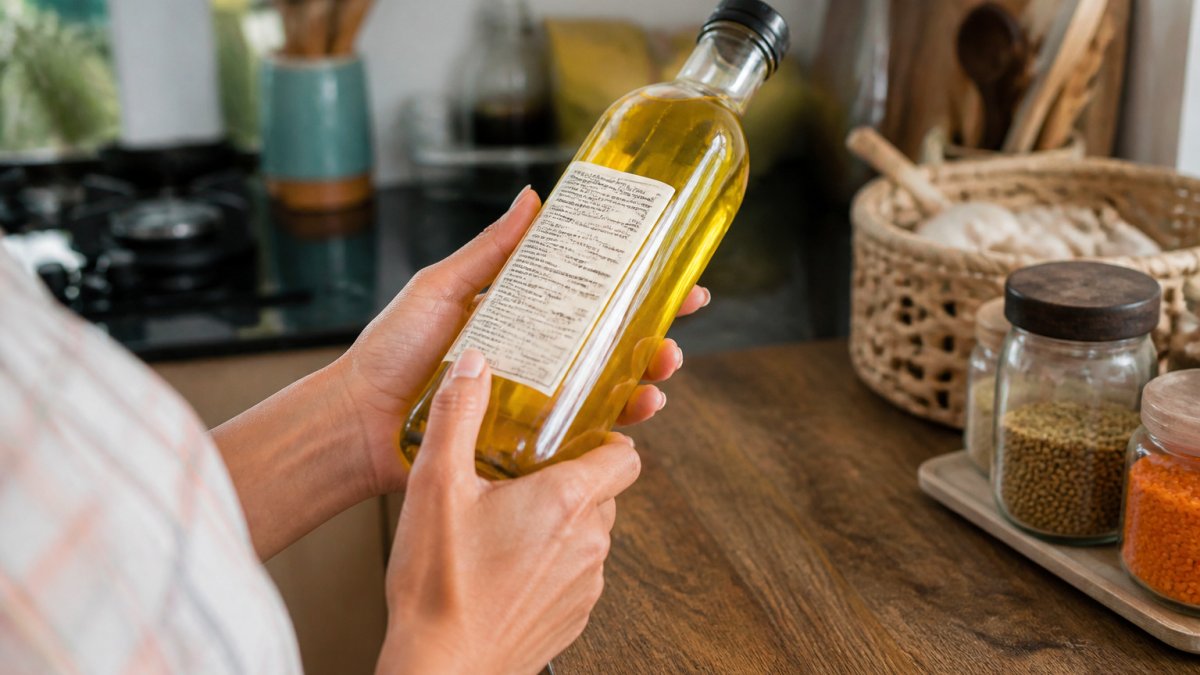
Also check for "no preservatives, additives, or colours" statements, but treat them as a claim to verify rather than proof. A reputable producer will state its ingredients plainly.
Our cold-pressed range is made from a single ingredient or a short, named list, with no preservatives, colours or chemicals added in the products listed below. Our options include:
If you want a broader look at traditional pantry staples, our Traditional Indian Cooking Ingredients List is a useful companion guide.


Cold-pressed oils are more sensitive to light, heat and air than refined oils, so storage matters. Keep the bottle tightly sealed in a cool, dark cupboard away from the stove. Avoid leaving it beside a sunny window.
Use a clean, dry spoon each time you pour. Moisture and contamination shorten shelf life, so resist the urge to pour directly from a warm pan's neighbourhood or from a steam-prone counter.
Not automatically. Cold-pressed describes how the oil is extracted: mechanical pressing rather than intensive refining. It does not guarantee the bottle contains nothing else. Some cold-pressed oils may still be filtered or lightly processed, and a finished product can carry added ingredients. The reliable check is the ingredient list on the label. A pure cold-pressed oil should list only the seed, nut or fruit it came from, with no preservatives, colors or flavorings added.
Generally, cold-pressed oils are less refined than most commercial oils. Refined oils typically go through heat, chemical solvents and bleaching. Cold-pressed oils are extracted primarily through mechanical pressure, so they usually keep more of their natural flavor, aroma and bioactive compounds. However, the term does not define every processing step, so read the label to confirm what was done to the oil before it reached the bottle.
A pure cold-pressed oil should list one ingredient: the seed or nut, such as sesame seeds, peanuts or coconut. Bliss Tree's cold-pressed sesame oil, for example, is made from sesame seeds pressed in a traditional wooden chekku with no additives or chemicals. Be cautious of labels that list refined oils, palm oil, dalda, preservatives or artificial colors alongside the main ingredient.
Keep cold-pressed oil in a cool, dark place with the cap tightly closed. Heat and light speed up oxidation, which dulls flavor and reduces nutritional value. Refrigeration can extend the life of some nut and seed oils, but check the product label for specific guidance. Use a clean, dry spoon each time, and smell the oil before cooking. A rancid, paint-like odor means it should be discarded.
Bliss Tree New Jersey supplies cold-pressed oils and traditional South Indian groceries to households across New Jersey, with delivery available in select areas. Call us now to check your area and order your pantry staples.