0 item(s)
View cart
You have no items in your shopping cart.
Last Updated: October 23, 2026
Quick Summary
South Indian snacks vs generic snacks in Piscataway represents a choice between traditional recipes made with whole grains and natural ingredients versus mass-produced options prioritizing shelf stability and cost efficiency. South Indian snacks contain 3-5 grams of protein per serving and no preservatives, while generic snacks often contain refined flour, additives, and less than 1 gram of protein.
The U.S. snacks market was valued at $747.6 billion in 2025 and is projected to reach $778.1 billion in 2026, according to Grand View Research's snacks market analysis. Within this massive category, a distinct divide exists between South Indian snacks and mass-produced generic options. At Bliss Tree New Jersey, we've spent three decades sourcing traditional South Indian snacks, and the difference between these two categories shapes not just taste, but nutrition, ingredient quality, and cultural authenticity.
South Indian snacks vs generic snacks in Piscataway represents more than a shopping choice. It's a decision between preservation of food heritage and convenience-first manufacturing. Generic snacks prioritize shelf stability, cost reduction, and broad appeal. South Indian snacks prioritize traditional recipes, natural ingredients, and nutritional density. The gap between them has widened as consumer interest in authentic regional foods grows.
Traditional South Indian snacks are savory, crispy foods rooted in centuries of regional culinary practice. They're typically made from rice flour, lentil flour, and millets, then seasoned with spices like ajwain and asafoetida. Unlike mass-market alternatives, these snacks rely on time-tested preparation methods and ingredient combinations that have remained largely unchanged.
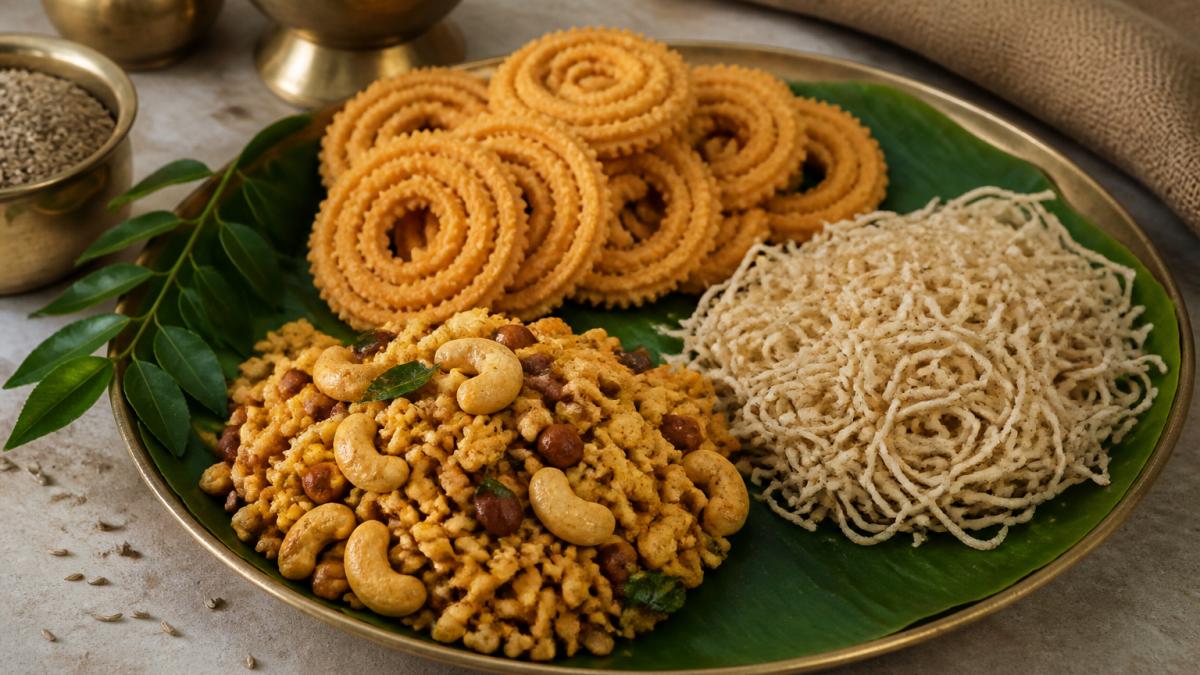
The most common varieties include murukku (spiral-shaped savory sticks), mixture (a blend of legumes, grains, and nuts), and omapodi (thin noodle-like snacks made from millet or lentil flour). Each has a distinct texture, flavor profile, and regional significance.
What sets these snacks apart is their ingredient transparency. Traditional recipes use whole grains, legumes, and cold-pressed oils. They contain no maida (refined flour), no refined vegetable oils, no artificial colors or flavoring agents. This simplicity is intentional. It reflects a food culture where snacking supported sustained energy rather than quick gratification.
The ingredient list tells the real story. Premium South Indian snacks use finger millet (ragi), pearl millet (kambu), rice flour, and urad dhal flour. These are whole grains and legumes with minimal processing. Generic snacks typically start with refined flour, corn starch, and hydrogenated oils designed for maximum shelf life and lowest production cost.
Consider the Ragi Butter Murukku from Bliss Tree New Jersey. It swaps refined gram flour for finger millet flour, creating a gluten-free option enriched with ajwain butter and delivering protein, iron, and calcium. The ingredient list is seven items: rice flour, finger millet flour, urad dhal flour, ajwain, butter, salt, asafoetida, and vegetable oil. Compare that to many generic snacks, which contain 15-20 ingredients including emulsifiers, preservatives, and artificial flavoring.

The protein and fiber content differs dramatically. South Indian snacks made from lentil flours and millets contain 3-5 grams of protein per serving and significant fiber. Generic snacks made from corn and refined grains often contain less than 1 gram of protein and minimal fiber. This difference affects satiety, blood sugar response, and sustained energy.
Research from Purdue University's consumer preference study shows that a majority of consumers believe brand-name products taste better, even when generics are 15% cheaper. For South Indian snacks specifically, this preference often reflects actual ingredient quality rather than marketing alone.
The nutrition profile of South Indian snacks aligns with modern health priorities. Millets are ancient grains. Pearl millet (kambu) contains magnesium, phosphorus, and manganese. Finger millet (ragi) is rich in calcium and iron. These are measurable nutritional facts.
Generic snacks rarely deliver this nutritional density. They're engineered for taste, texture, and profitability, not nutritional value. A generic mixture might contain 80% corn starch and refined wheat flour. A traditional South Indian mixture contains whole legumes, cashews, and seeds.
Bliss Tree New Jersey's Bombay Mixture demonstrates this difference. It combines gram flour, moong dal, masoor dal, cashew nuts, pepper, and chili powder. Every ingredient serves a nutritional purpose. Moong dal provides plant-based protein and fiber. Masoor dal adds iron and folate. Cashews contribute healthy fats and minerals.

Clean labels matter. Many consumers in Piscataway and across New Jersey seek products without preservatives, artificial colors, or additives. South Indian snacks made traditionally contain none of these. They rely on salt, spices, and natural preservation through proper storage. Generic snacks often require chemical preservatives to maintain shelf life across months of distribution and retail display.
A 44% cost saving exists when purchasing generic products across food categories, according to PubMed Central research on generic versus branded food products. This statistic drives many purchasing decisions. But it masks what you're actually paying for.
Bliss Tree New Jersey's snacks cost $3.49 per 200-gram package. This includes farm-to-fork sourcing from selective farmers, no preservatives or additives, and same-day delivery availability in select New Jersey areas. Generic snacks at supermarkets might cost $1.99 to $2.49 for similar weight. The difference isn't arbitrary markup. It reflects ingredient sourcing, production methods, and supply chain transparency.
When you buy South Indian snacks from Bliss Tree New Jersey, you're paying for:
Generic snacks cost less because they prioritize efficiency. Refined ingredients are cheaper. Preservatives extend shelf life, reducing waste and loss. Mass production achieves economies of scale that small-batch traditional production cannot match. Neither approach is wrong. They serve different priorities.
For health-conscious families in New Jersey, the premium reflects actual value. You're not paying for marketing. You're paying for ingredient quality, nutritional density, and food heritage preservation.
Access to authentic South Indian snacks used to require trips to Indian grocery stores in concentrated ethnic communities. This remains an option for many in Piscataway, but it demands time and planning. South Indian grocery delivery in New Jersey changes this equation.
Same-day delivery services like Bliss Tree New Jersey bring traditional snacks directly to your doorstep. This matters for busy professionals, families managing multiple schedules, and those seeking consistency without weekly shopping trips. Instead of wondering whether your preferred snack is in stock, you order online and receive it within hours in select areas.
Delivery also solves a practical problem: quality preservation during transport.
However, delivery services don't work everywhere yet. Coverage in select New Jersey areas varies by provider. Before committing to online ordering, verify that same-day delivery actually serves your zip code reliably. Ask about packaging standards and handling procedures. The convenience of delivery only matters if the product arrives in excellent condition.
South Indian snacks vs generic snacks in Piscataway isn't a binary choice. Context determines which option makes sense.
Choose South Indian snacks when:
Choose generic snacks when:
The reality is many families use both. Generic snacks for quick, budget-friendly options. South Indian snacks for intentional snacking that aligns with health and cultural values.
| Criteria | South Indian Snacks | Generic Snacks |
|---|---|---|
| Ingredient Quality | Whole grains, legumes, natural spices | Refined flour, corn starch, additives |
| Price per Unit | $3.49 (200g) | $1.99-$2.49 (200g) |
| Preservatives | None | Often present |
| Protein Content | 3-5g per serving | <1g per serving |
| Availability | Specialty stores, delivery services | Supermarkets everywhere |
| Shelf Life | Shorter, requires proper storage | Extended, engineered stability |
| Cultural Authenticity | Traditional recipes, regional heritage | Mass-market standardized |
Choosing between South Indian snacks vs generic snacks in Piscataway ultimately reflects your priorities. If ingredient quality, nutrition, and food heritage matter, South Indian snacks deliver measurable value. Bliss Tree New Jersey offers a curated selection of traditional snacks like Ragi Butter Murukku, Murukku, Madras Mixture, Bombay Mixture, and Pearl Millet Omapodi, each at $3.49 per 200-gram package. All are free from preservatives, artificial colors, and refined oils. Same-day delivery is available in select New Jersey areas. Call us now to explore how authentic South Indian snacks can become part of your family's regular rotation.

South Indian snacks are typically made with traditional ingredients like rice flour, urad dhal, finger millet, and natural spices without preservatives or artificial colors. Generic snacks often contain refined oils, maida (refined flour), and additives for shelf stability. South Indian snacks prioritize clean labels and minimal processing, while generic snacks optimize for cost and convenience. For example, murukku uses expelled vegetable oil and ajwain, whereas mass-produced alternatives may use palm oil and synthetic flavoring.
Yes, typically. South Indian snacks like Ragi Butter Murukku ($3.49 for 200g) cost more because they use premium ingredients, avoid preservatives, and rely on traditional preparation methods. However, many customers find the quality, taste, and nutritional density justify the higher price, especially for health-conscious families and those seeking authentic flavors.
Look for transparent ingredient lists and certifications. Authentic South Indian snacks should list only recognizable ingredients: flours, spices, salt, and natural oils. Avoid products with sodium benzoate, potassium sorbate, or artificial colors. Bliss Tree New Jersey products are 100% preservative-free with no artificial additives, colors, or refined oils.
You can order online through Bliss Tree New Jersey, which offers same-day delivery in select areas. Their range includes Murukku, Ragi Butter Murukku, Madras Mixture, Bombay Mixture, and Pearl Millet Omapodi, all priced at $3.49 per 200g package. Local Indian grocery stores may also stock South Indian snacks, though selection and freshness vary.